Skip to content

Cart

Your cart is empty

Continue shopping

British Standard Type for Norse Projects

British Standard Type is a London-based type foundry with a simple conviction: good typography takes time. BST makes typefaces grounded in history, refined by practice. We sat down with them to talk craft, constraint, and what it means to make things that last.

Could you share a brief background on BST and how the foundry first came into being?

British Standard Type grew out of a long-standing interest in type design. We both studied at ECAL in Switzerland, and establishing a foundry had been a shared ambition for some time.

Alongside this, we run the design studio Spencer Fenton, where type design gradually became a consistent part of our work—initially through custom commissions, and later as a more focused practice. Setting up the foundry felt like a natural extension of this evolution.

BST develops both retail and custom typefaces, ranging from more exploratory projects to applications within broader identity systems. Across all of this work, the aim is consistent: to create enduring, well-crafted digital tools for typographic communication.

Our approach is grounded in an ongoing dialogue between technology and craft, informed by a strong awareness of typographic history and contemporary practice. Through this, BST seeks to develop distinctive typefaces that contribute meaningfully to the evolving discourse of type design.

There remains a close relationship between the studio and the foundry. Working in graphic design keeps us connected to how typography is used in practice—what feels relevant and necessary—and this insight feeds directly back into the typefaces we develop.
What have been your core passions as a designer, and how have they evolved over the course of your career?

Typography has always been central. Initially, that was more instinctive—drawn to the form and detail—but over time, it’s become more structured.

Experimentation still plays a big role, but it’s something we’ve become more intentional with. There’s a lot of freedom in contemporary practice, but without a clear reason, experimentation can feel quite empty. We try to anchor it in something—whether that’s a technical question, a use case, or a broader idea.

More recently, we’ve been thinking about how those experiments sit within the studio more openly. Not everything needs to become a finished typeface, but it still has value as part of the process.

Beyond typography itself, what sources—cultural, material, or otherwise—continue to inform your work?

It tends to come from what’s around us.

Typography is always shaped by its context, so we’re often looking at things outside of design—architecture, fashion, product design, or just everyday environments. Certain forms tend to repeat across disciplines at a given moment.

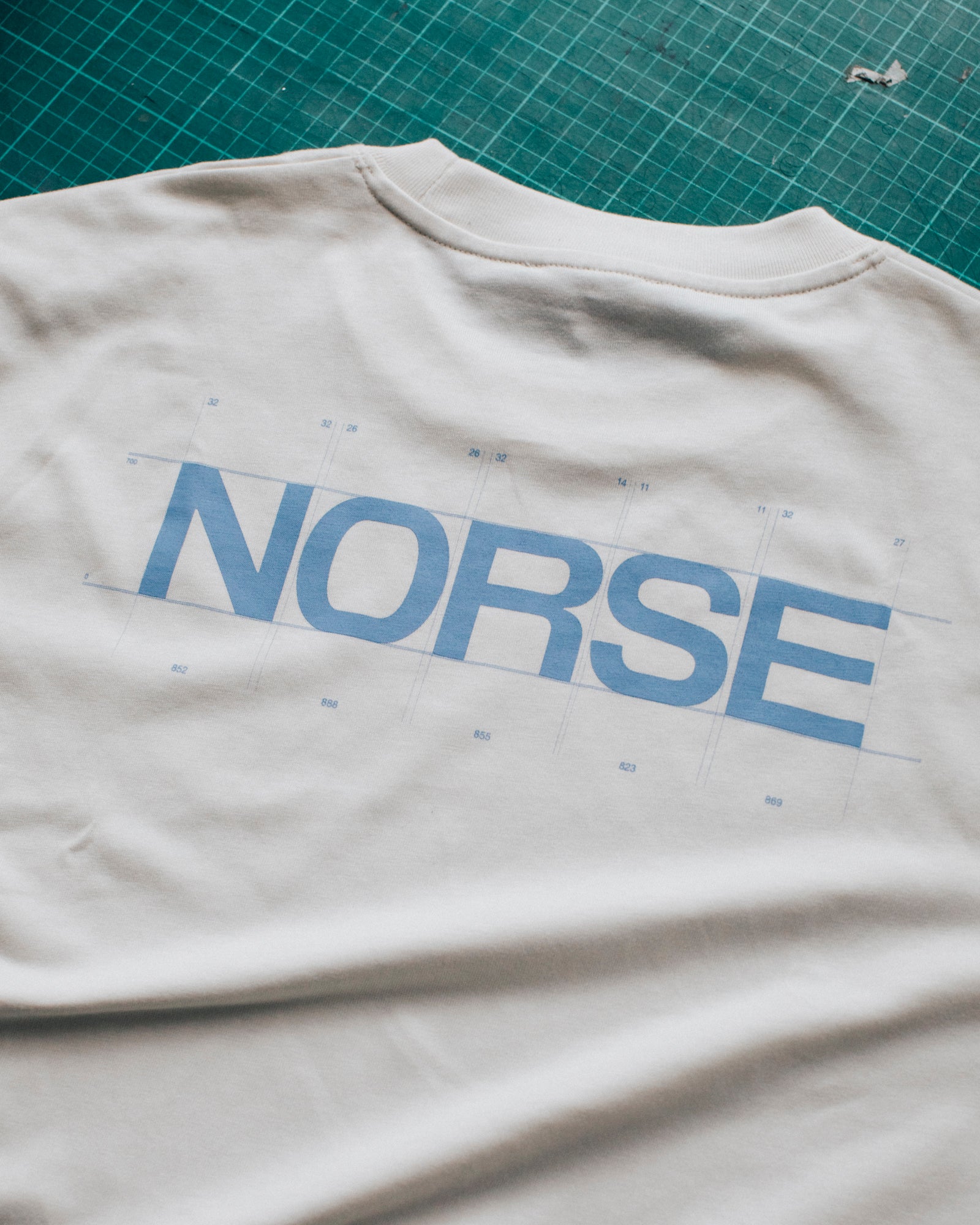
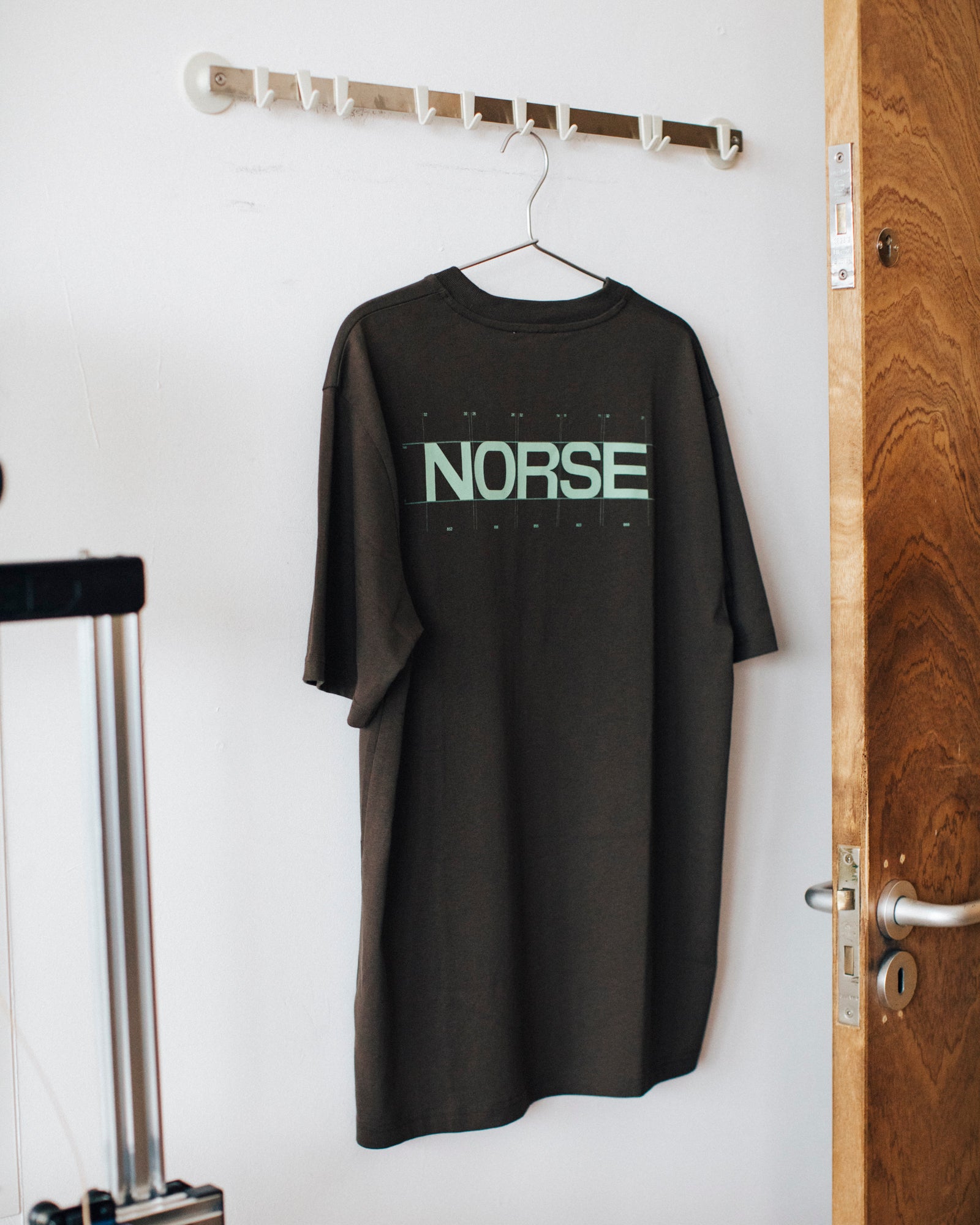
If you look at something like Eurostyle, it reflects a broader visual language of its time—similar geometries appearing in transport, industrial design, and architecture. That relationship still exists.

The references aren’t always direct, but they influence how a typeface feels—its proportions, its rhythm, its tone.

When beginning a new project, how do you approach the fundamental challenges of typography?

The starting point is usually quite simple: why should this typeface exist?

There’s already a large body of work, so each project needs a clear reason—whether that’s solving a practical problem or exploring a particular idea. Defining that early on helps guide everything that follows.

We tend to work with constraints. Setting limits—sometimes quite arbitrary ones—gives the project a structure and makes decisions clearer. Occasionally, we’ll construct a fictional context around a typeface, just as a way of testing how it might behave.

The process itself is quite slow, and that’s important. We usually work on several typefaces at once, which allows for some distance. Stepping away and returning to something later often makes the direction clearer.

How do you think about permanence in your work, particularly in a culture that often prioritises constant renewal and replacement?

Typeface design naturally sits slightly outside of that pace.

There’s a lot of emphasis on speed now, but type doesn’t respond well to that. It takes time to develop, and it takes time to understand whether something is actually working.

We’re interested in making work that feels grounded in a particular moment, but not limited by it. Often, we’ll finish a typeface and then leave it for a period before releasing it. That distance helps clarify whether it still feels relevant.

Permanence isn’t about making something timeless in a fixed sense, but about giving it enough character to last beyond immediate cycles.

Captured by Billy Barraclough.